


Not all hyperbaric chambers are just the same. Some deliver 100% pure oxygen at true medical-grade pressure. Others barely nudge past normal air pressure and were never built to treat a medical condition in the first place. If you’re researching hyperbaric oxygen therapy, knowing the difference isn’t optional; it’s the difference between an effective treatment and an expensive placebo.
Here’s what we’ll break down:
- The two main types of clinical chambers: monoplace and multiplace
- Soft-sided chambers vs. hard-sided chambers, and why pressure matters
- What each chamber type actually treats
- How to choose the right chamber for your needs
At O2pure, every session runs in a medical-grade hyperbaric oxygen therapy chamber, supervised by a physician, not a wellness pod dressed up to look clinical.
Monoplace vs Multiplace Chambers
Clinical hyperbaric oxygen chambers come in two main types. Both are FDA-approved. Both deliver real therapeutic pressure. The difference comes down to how many people they treat and how oxygen reaches the lungs.
Monoplace Chambers
A monoplace chamber treats one patient at a time. You lie comfortably inside a clear, rigid tube while the entire chamber pressurizes with pure oxygen. No mask, no hood. You simply breathe pure oxygen directly from the pressurized environment around you.
Monoplace chambers are the preferred choice for outpatient clinics. They’re private, efficient, and easy for medical personnel to monitor from outside through the clear shell.
Multiplace Chambers
A multiplace chamber is a walk-in room built to hold multiple patients at once. Instead of pressurizing with oxygen, the whole room pressurizes with air, and each patient breathes oxygen through a mask or hood.
Because staff can physically enter, multiplace chambers suit critically ill patients who need hands-on care during treatment. That’s why you’ll usually find multiplace chambers in hospitals rather than outpatient wellness centers.
| Feature | Monoplace | Multiplace |
|---|---|---|
| Patients per session | One patient | Multiple patients |
| Oxygen delivery | Direct, whole-chamber | Via mask or hood |
| Setting | Outpatient clinics | Hospitals, critical care |
| Staff access during treatment | Monitored from outside | Staff inside with patient |
| Max pressure | Up to 3.0 ATA | Can exceed 3.0 ATA |
Neither type is “better.” The right one depends on the medical condition being treated and whether a patient needs staff physically present.
Soft Chambers vs Hard Chambers
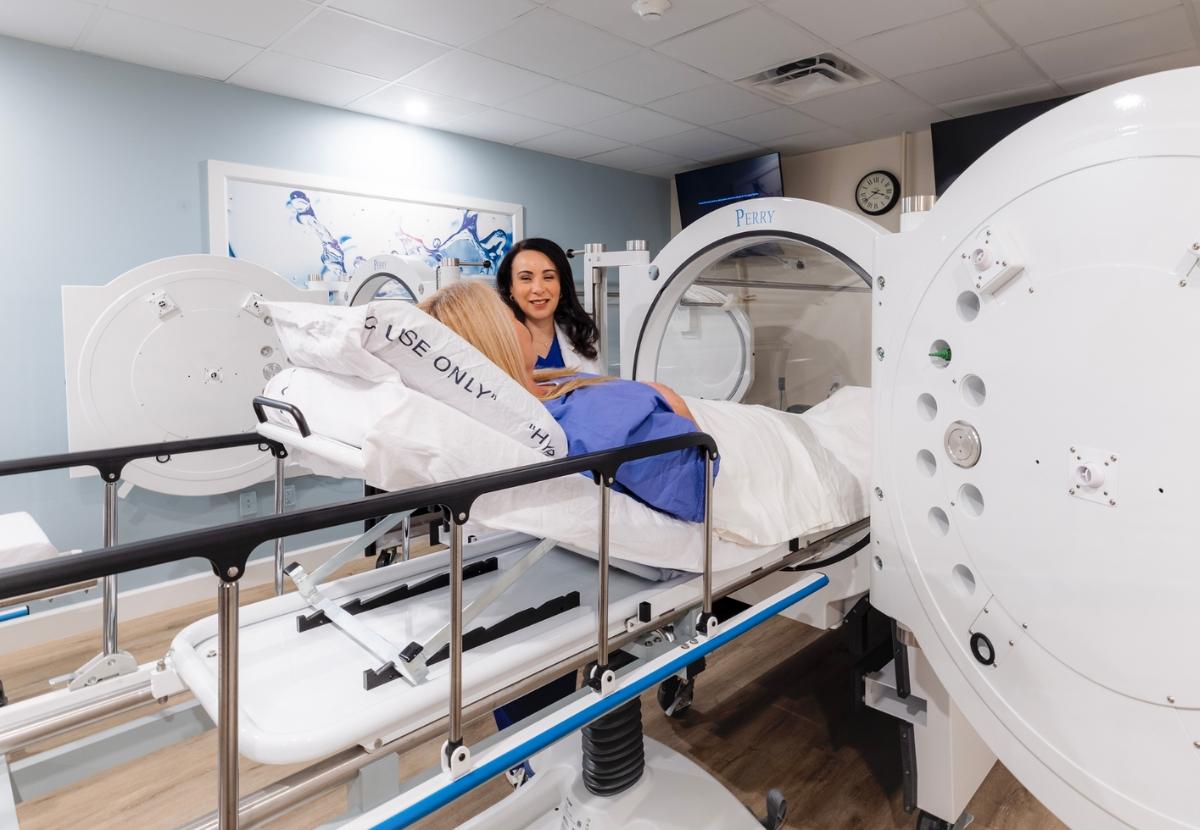
Chamber shell and pressure capability decide whether you’re getting real therapy or a diluted version of it.
Soft Sided Chambers
Soft chambers, also called mild hyperbaric chambers, use flexible, inflatable materials instead of rigid shells. They reach a maximum of about 1.3 ATA, which is barely above sea level pressure.
These portable chambers usually deliver around 24 to 31% oxygen concentration, not the 100% pure oxygen medical treatment requires. The FDA has only approved soft chambers for one thing: altitude sickness. They are not approved to treat any other medical condition, no matter what a wellness brand’s website claims.
Hard-Sided Chambers
A hard-sided hyperbaric chamber uses rigid materials like acrylic or steel and can reach true medical pressure, typically 2.0 to 3.0 ATA, occasionally higher in multiplace hospital settings. Hard chambers deliver 100% oxygen, which is what actually drives the physiological healing response.
Key Differences at a Glance
- Pressure: Soft chambers cap at 1.3 ATA. Hard chambers reach 2.0 to 3.0+ ATA.
- Gas: Soft chambers use compressed air or low-concentration oxygen. Hard chambers use pure oxygen.
- FDA status: Soft chambers are approved only for altitude sickness. Hard chambers are FDA-approved for 14+ conditions.
- Clinical oversight: Hard chambers run under healthcare providers and medical staff. Soft chambers often don’t require any.
Worth knowing: At 2.4 ATA with 100% oxygen, your blood carries roughly eight times more dissolved oxygen than it does in a soft chamber at 1.3 ATA. That gap is the entire reason medical-grade treatment exists.
What Each Chamber Type Treats
Hyperbaric oxygen therapy HBOT works by increasing oxygen levels in your blood and tissues far past what normal air pressure allows. That increased oxygen delivery drives real therapeutic applications, but only at the pressure and purity a hard chamber provides.
Conditions With FDA-Approved Treatment
- Carbon monoxide poisoning: Pure oxygen displaces CO from the blood fast, preventing tissue death
- Decompression sickness: The original use for treating decompression sickness in divers, where increased air pressure reduces dangerous gas bubbles
- Severe burns: Oxygen-starved, damaged tissues heal faster with increased oxygen levels
- Non-healing wounds and chronic ulcers: Restores blood vessels and reduces infection risk from certain bacteria that thrive in low-oxygen tissue
- Failed skin grafts: Extra oxygen supports new blood vessels and graft survival
- Severe acute anemia: Used when patients can’t receive blood transfusions
What Soft Chambers Cannot Treat
Soft chambers lack the pressure to meaningfully raise oxygen levels in damaged tissue. They’re marketed for general wellness, better sleep, or mild fatigue, but they carry no approved treatment options for actual medical conditions. If a clinic promises soft-chamber sessions will fix a serious health issue, that claim isn’t backed by clinical evidence.
Pro Tip: Ask two questions before booking any session: what pressure does the chamber reach, and what gas am I breathing. Those two answers tell you everything about whether you’re getting real treatment.
Choosing the Right Chamber for You
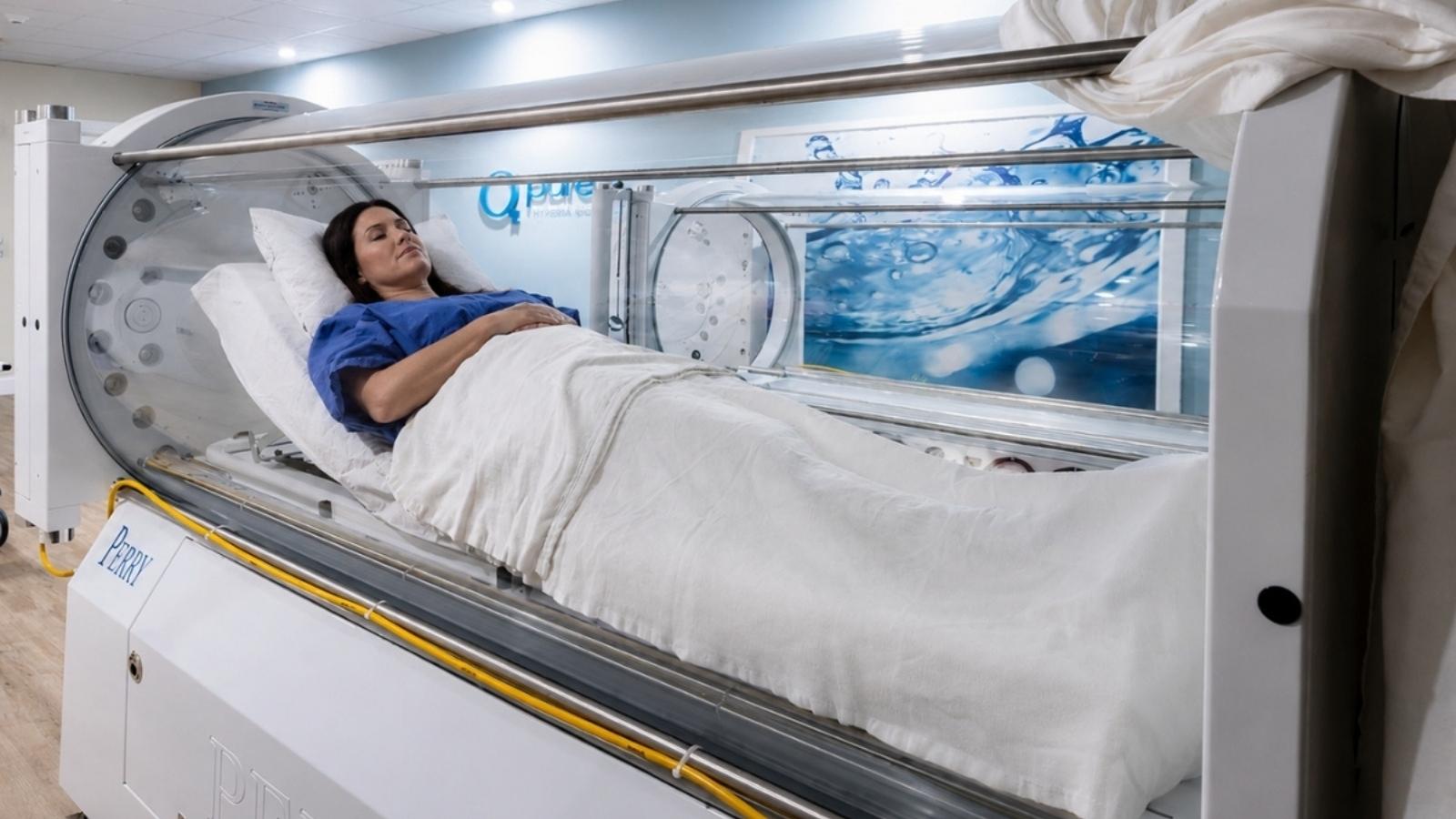
Picking the right chamber isn’t about brand names or how sleek the pod looks. It comes down to your medical condition, the pressure required, and who’s supervising the session.
Questions to Ask Before You Book
- Is this a hard chamber or a soft chamber? Hard-sided chambers are the only option for real medical conditions.
- What pressure does it reach? Look for 2.0 ATA or higher for clinical treatment.
- Is 100% oxygen delivered, or just compressed air? Oxygen concentration is non-negotiable for therapeutic results.
- Are medical personnel present? A qualified provider should screen you, monitor you, and adjust your treatment plan.
- Is the facility FDA-approved for your condition? This confirms you’re getting an effective treatment, not an off-label gamble.
Safety Considerations Across Chamber Types
Certain patients need extra caution regardless of chamber type. Middle ear pressure changes, low blood sugar in diabetic patients, and lung collapse risk in those with pre-existing lung conditions all require a healthcare provider’s evaluation first. Anyone with metal implants should also mention it, similar to precautions before an MRI machine, since pressurized environments have their own equipment considerations.
Clinical settings staffed by trained medical personnel exist precisely to manage these factors safely, which is exactly why hard chambers under physician supervision remain the standard for anyone treating an actual medical condition.
Choose Real Healing With O2pure Chambers
Not every hyperbaric chamber does the same job. Soft chambers offer mild wellness support at best. Hard-sided, medical-grade chambers deliver the pressure and pure oxygen your body actually needs to heal.
Key takeaways:
- Monoplace and multiplace chambers are the two main types used clinically
- Hard chambers reach 2.0 to 3.0+ ATA with 100% oxygen
- Soft chambers cap at 1.3 ATA and are FDA-approved only for altitude sickness
- Real treatment requires medical-grade pressure, pure oxygen, and physician oversight
O2pure Hyperbaric Wellness Center in Hollywood, FL uses true medical-grade chambers under the supervision of Dr. Safa Maklad, not a soft-shell pod marketed as medicine. Book a consultation and find out which treatment plan actually fits your condition.
FAQs
What’s the longest you can stay in a hyperbaric chamber?
Standard sessions run 60 to 90 minutes. Longer exposure raises the risk of oxygen toxicity, so treatment plans use medical-grade timing.
What is the best hyperbaric chamber on the market?
For medical conditions, hard-sided chambers reaching 2.0+ ATA with 100% oxygen are the effective treatment standard, not soft portable chambers.
What is not allowed in a hyperbaric chamber?
Flammable materials, certain electronics, oils, and open flames are restricted. Medical staff will review specific rules before your treatment begins.
Is there an alternative to a hyperbaric chamber?
No direct alternative delivers the same increased oxygen levels. Normal oxygen masks at sea level pressure can’t replicate true hyperbaric therapy results.


